


wellness
Best Oils for Acne: How Tea Tree Oil and Other Oils Clear Skin Naturally
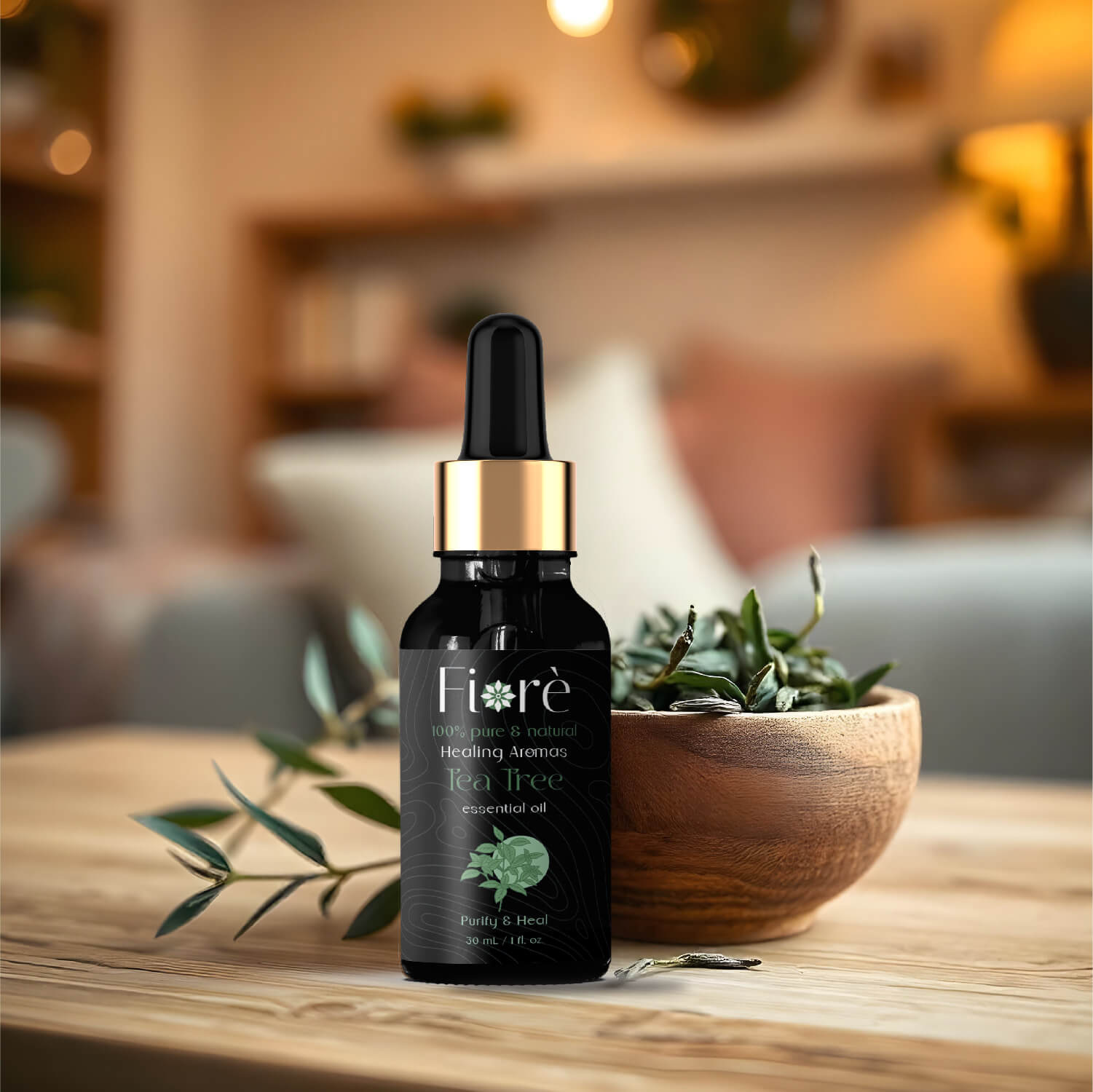
Dealing with acne can be very frustrating. We often run after expensive chemical creams, but sometimes the best solutions come directly from nature. Many people think that putting oil on oily, acne-prone skin is a bad idea. But that is not entirely true!
Certain natural oils are packed with antibacterial and healing properties that can actually cure your pimples. In this guide, we will look at the absolute best oils for acne, focusing on the king of acne-fighting Tea tree oil and other amazing oils you can mix with it.
Why Tea Tree Oil is the Ultimate Acne Fighter
When we talk about a natural acne treatment, Tea tree oil for acne always comes first. It is extracted from the leaves of the Melaleuca alternifolia tree.
Here is why it works so well in very simple words:
It Kills Acne Bacteria: Acne happens when bacteria get trapped inside your pores. Tea tree oil is a powerful antibacterial essential oil. It goes deep into the skin, kills the bacteria, and stops new pimples from growing.
It Reduces Redness and Swelling: Have you ever had those painful, red, swollen pimples? Tea tree oil acts as a soothing agent. It calms down the inflammation and helps the pimple shrink faster.
It Cleans Excess Oil: It helps control the extra sebum (oil) that your skin produces, keeping your pores clean and clear.
The Secret Combination: Powerful Carrier Oils for Acne
You cannot put pure tea tree oil directly on your face because it is extremely strong and can burn your skin. You must always dilute (mix) it with a “carrier oil.”
Here are the best carrier oils that also help fight acne:
Jojoba Oil (The Skin Mimic): Jojoba oil is incredible because its structure is almost exactly like our skin’s natural oil (sebum). When you apply jojoba oil for acne, your skin thinks it has already produced enough oil, so it stops making extra grease. It is lightweight, does not clog pores, and makes a perfect base for tea tree oil.
Rosehip Oil (The Scar Eraser): If you are worried about dark spots and scars left behind by old pimples, rosehip oil is your best friend. It is rich in Vitamin A and Vitamin C. It helps heal the skin quickly, brightens your complexion, and fades away acne marks.
Fiore Tea Tree Oil ensures that you receive the maximum therapeutic benefit from every application, whether used as a targeted spot treatment or blended with your favorite moisturizer for an enhanced, clear glow.
How to Create Your Own Acne-Fighting Oil Blend
Making your own clear skin remedies at home is super easy. Follow this simple recipe:
Take 1 tablespoon of your chosen carrier oil (like Jojoba or Rosehip oil).
Add 2 to 3 drops of pure Tea Tree Oil.
Mix them well in a clean, dark glass bottle.
- How to apply: Wash your face properly, take 2 drops of this mixture, and gently pat it onto your acne spots or your whole face before going to be
Tea Tree Oil vs. Chemical Treatments
Many drugstore acne creams contain a chemical. While it does kill bacteria, it often leaves your skin peeling, extremely dry, red, and irritated.
On the other hand, using a natural antibacterial essential oil like tea tree oil offers a much gentler experience. It might take a few days longer to show results compared to chemicals, but it protects your skin barrier and keeps your face healthy and glowing without harsh side effects.
3 Common Mistakes to Avoid
To get the absolute best results and avoid irritation, make sure you don’t make these mistakes:
Using Too Much: Adding more drops of tea tree oil will not cure acne faster. It will only dry out your face. Stick to 2-3 drops.
Skipping Sunscreen: Natural oils can make your skin slightly sensitive to sunlight. Always wear a good sunscreen during the day.
Applying on Popped Pimples: Never apply this oil blend on an open wound or a freshly popped pimple, as it can cause a sharp stinging sensation.
Final Thoughts
To wrap things up, Fiore Tea Tree Oil is a premium botanical extract that sits perfectly at the intersection of luxury skincare, blemish-fighting clarity, and holistic self-care.
By using the long-form content provided, you aren’t just selling a bottle of oil; you are selling a solution—for clear skin confidence, deep skin purification, and a naturally elegant lifestyle.
FAQs
Can I apply tea tree oil directly to my acne?
No, you should never apply pure tea tree oil directly to your skin. Because it is highly concentrated, it can cause severe redness, burning, and skin irritation. Always mix 1–2 drops of tea tree oil with a carrier oil (like jojoba or coconut oil) or blend it into your daily moisturizer before applying.
How long does tea tree oil take to clear acne?
Consistency is key. For most skin types, you will start seeing visible changes—like reduced redness and smaller pimples—within 1 to 2 weeks of daily use. For deeper or more stubborn acne scars, it may take 4 to 6 weeks to fully heal.
Is it safe to leave tea tree oil on my face overnight?
Yes, it is perfectly safe as long as the oil is properly diluted with a carrier oil or moisturizer. Applying it at night allows the antibacterial properties to work deeply into your pores while your skin repairs itself during sleep.
Will using oils make my oily skin even more greasy?
Not if you use the right ones! Oils like jojoba oil or hemp seed oil have a zero-comedogenic rating, meaning they will not clog your pores. In fact, jojoba oil mimics your skin’s natural sebum, tricking your face into producing less oil over time.
Can I use tea tree oil along with other skincare acids like Salicylic Acid?
It is best to avoid using them at the exact same time. Both tea tree oil and chemical acids (like Salicylic acid or Retinol) dry out the skin to fight acne. Using them together can damage your skin barrier. Use your chemical treatments in the morning and your natural oil blend at night.
